Maria Donated Stem Cells: “The Overwhelming Feeling Is Gratitude”
When Maria Kierikka-Sinkkonen joined the Stem Cell Registry after seeing a touching story about a child searching for a stem cell donor, she never imagined that she herself would one day become a donor for someone in need of a transplant. Now, she encourages other young adults to join the registry, because one person can have the opportunity to give a seriously ill patient a new beginning.
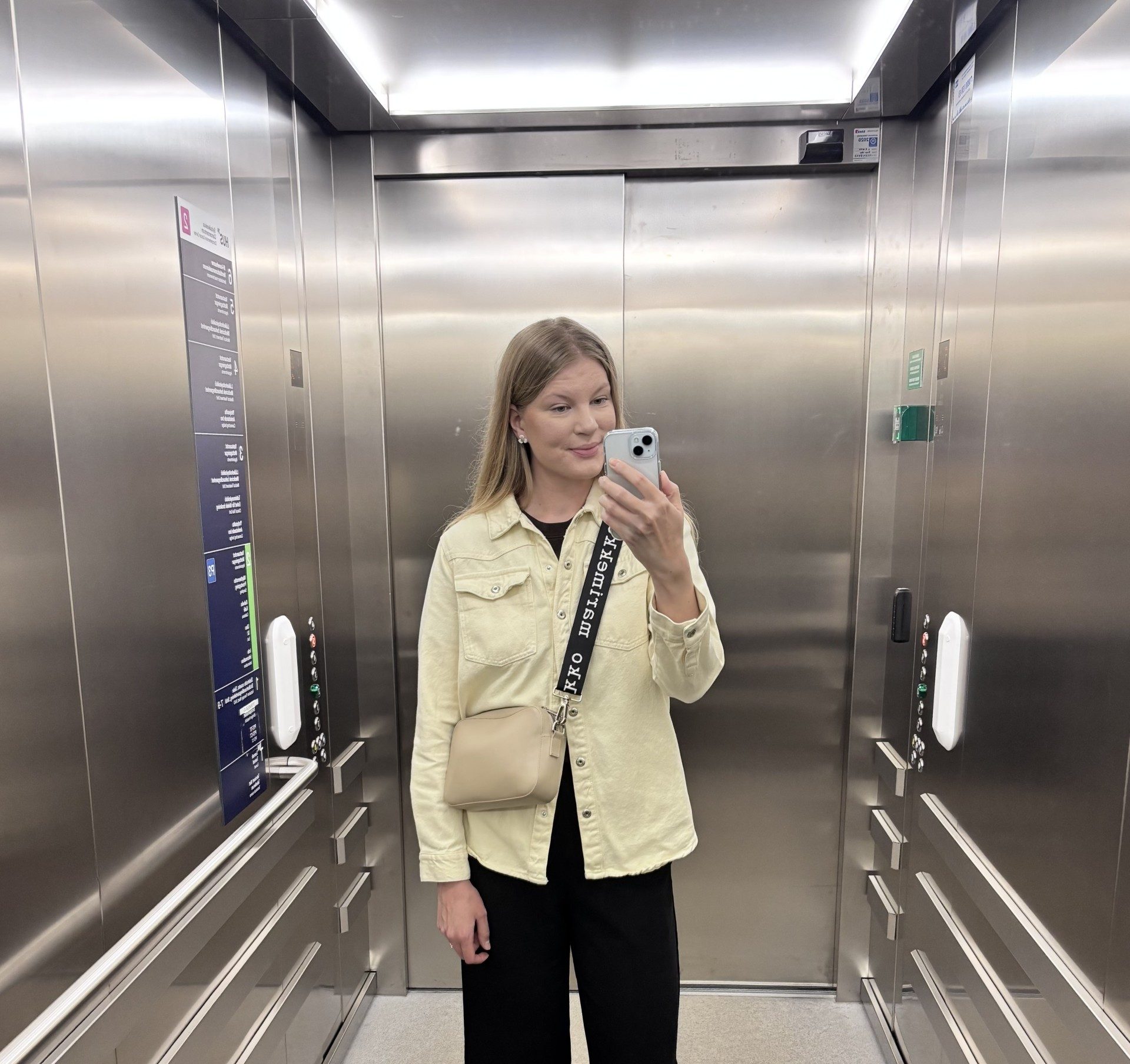
Maria Kierikka-Sinkkonen first learned about the Stem Cell Registry when she came across the story of a child searching for a matching stem cell donor. The story touched her deeply, and she decided to join the registry right away.
“The idea that my stem cells might one day help a seriously ill person felt meaningful,” Maria says.
A stem cell transplant is used when an aggressive and malignant blood disease cannot be cured with medication and the patient’s life expectancy is short. In a stem cell transplant, the patient’s diseased stem cells are replaced with healthy stem cells collected from a volunteer donor.
The Stem Cell Registry consists of volunteers who can be searched to find suitable donors for seriously ill patients. Each year, around 60 registry members go on to help save a life. Donors are selected based on factors such as tissue type compatibility.
About nine months after her registration was confirmed, Maria received an invitation for further testing.
“The invitation to more detailed examinations immediately filled me with excitement, and I committed to the process right away,” Maria recalls.
I looked at the small bag containing the stem cells and thought, there they are. Something truly priceless. I wished them a safe journey, without knowing where in the world they were headed or who would receive the transplant.– Maria Kierikka-Sinkkonen
Health Check and a Trip to Helsinki
Before the donation, Maria underwent blood tests and a comprehensive medical examination in Helsinki. These assessments ensured that the donation could be carried out safely for both the donor and the patient.
Once everything was confirmed to be in order, she prepared for a few days in Helsinki.
Before the actual donation, Maria received growth factor injections, which help stem cells move from the bone marrow into the bloodstream.
“I was very lucky, as the growth factor injections only caused me some mild aches.”
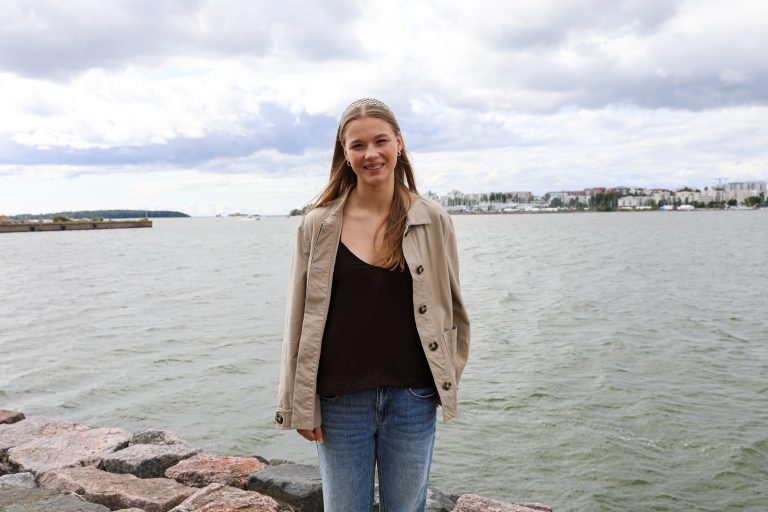
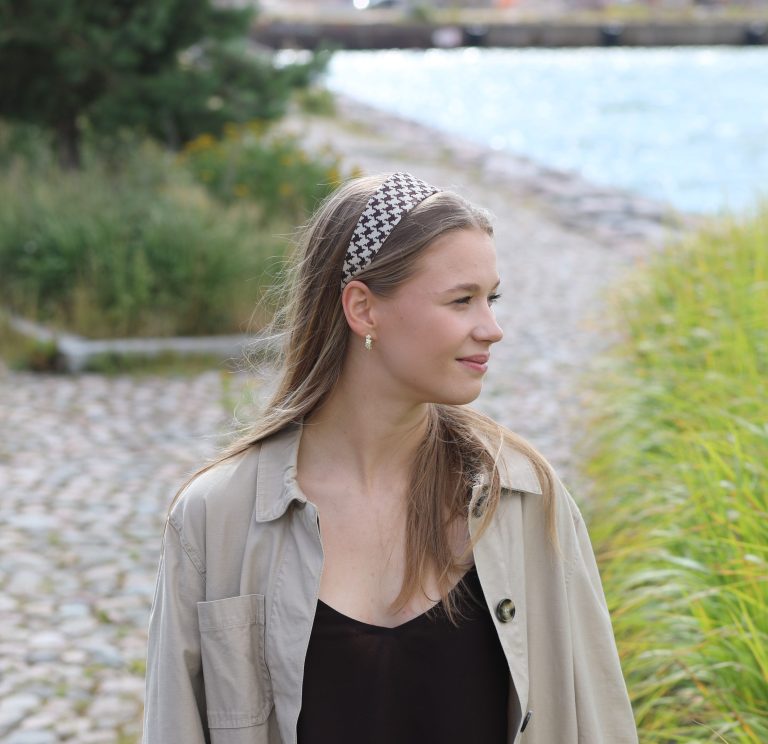
The stem cell donation also provided an opportunity for a short trip to Helsinki. Maria spent time walking on Seurasaari Island and visiting art exhibitions.
“Of course, I had to avoid strenuous exercise, but I was told that ‘movement is medicine’ while taking the growth factor injections. So, for that reason too, I didn’t just stay at the hotel relaxing.”
A Small Act, A Chance for a New Beginning
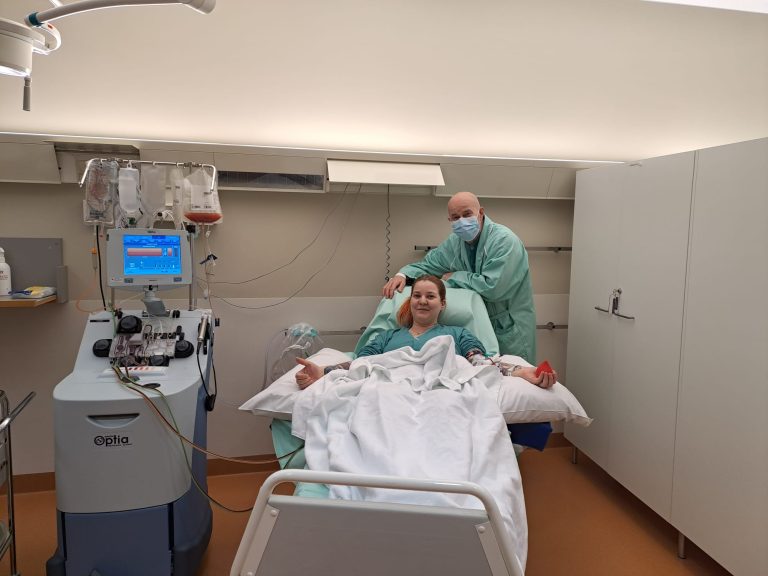
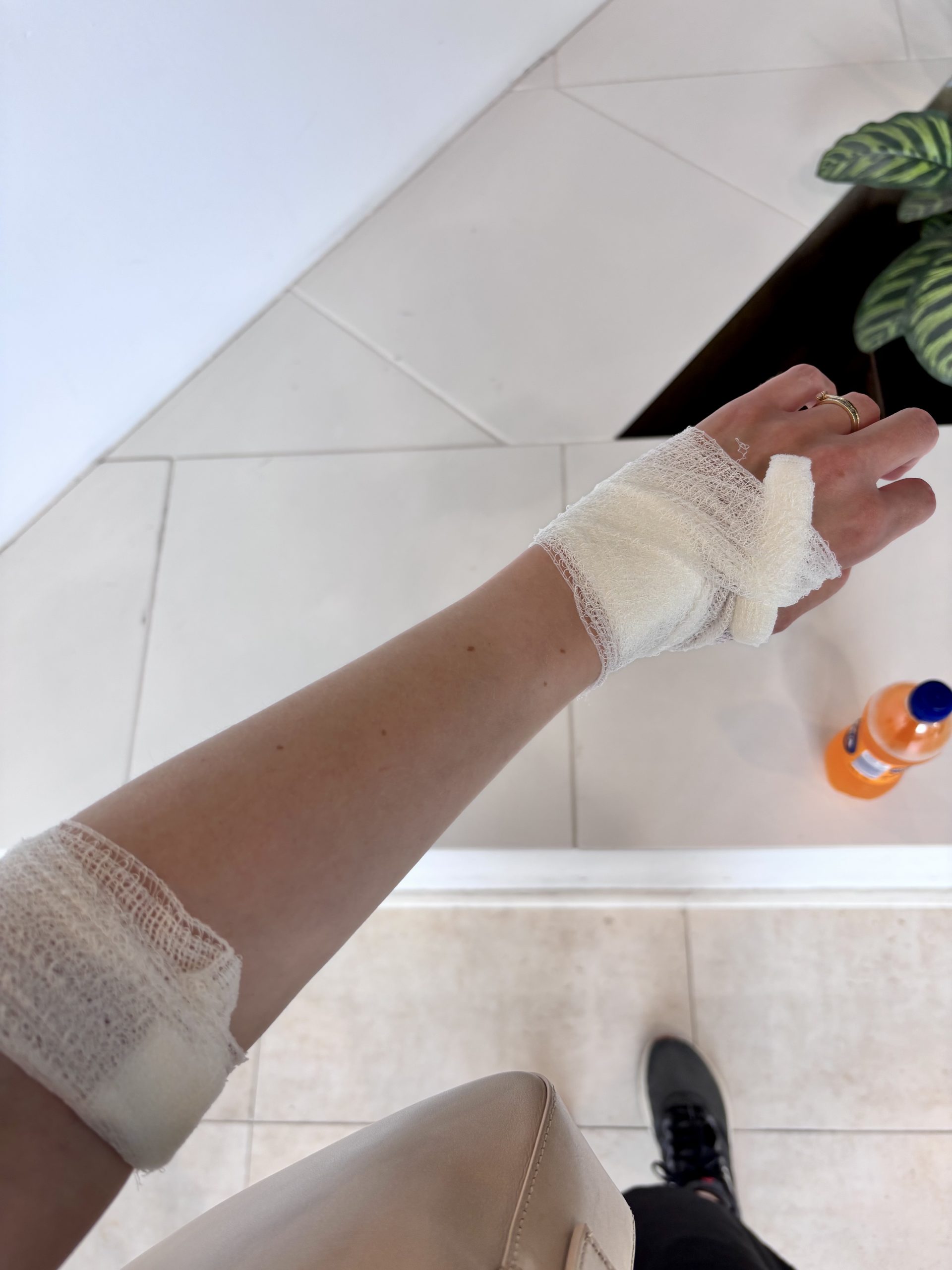
The stem cell donation took about five hours. During the procedure, Maria experienced some mild tingling, which soon passed. She spent the time resting and watching television. Eventually, the stem cells had been collected and were ready to be sent to the patient.
“I looked at the small bag containing the stem cells and thought, there they are. Something truly priceless. I wished them a safe journey, without knowing where in the world they were headed or who would receive the transplant.”
What stayed with Maria most after the donation was a deep sense of gratitude. The entire process had gone smoothly, and she felt well cared for throughout.
“Donating stem cells was, in the end, a small act compared to what it can make possible.”
Maria finds it sad that one in five patients is unable to find the best possible donor match. She encourages everyone aged 18–35 to join the Stem Cell Registry.
“You never know when it might be you who is needed.”