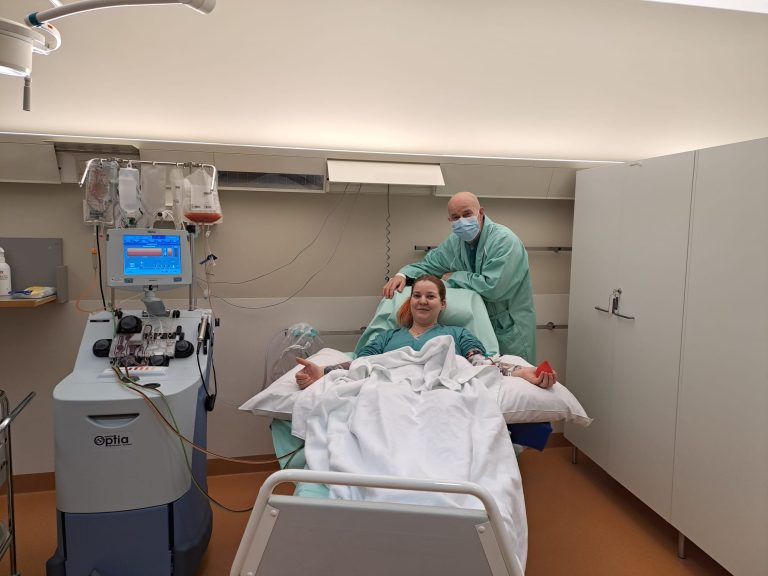
The most valuable gift
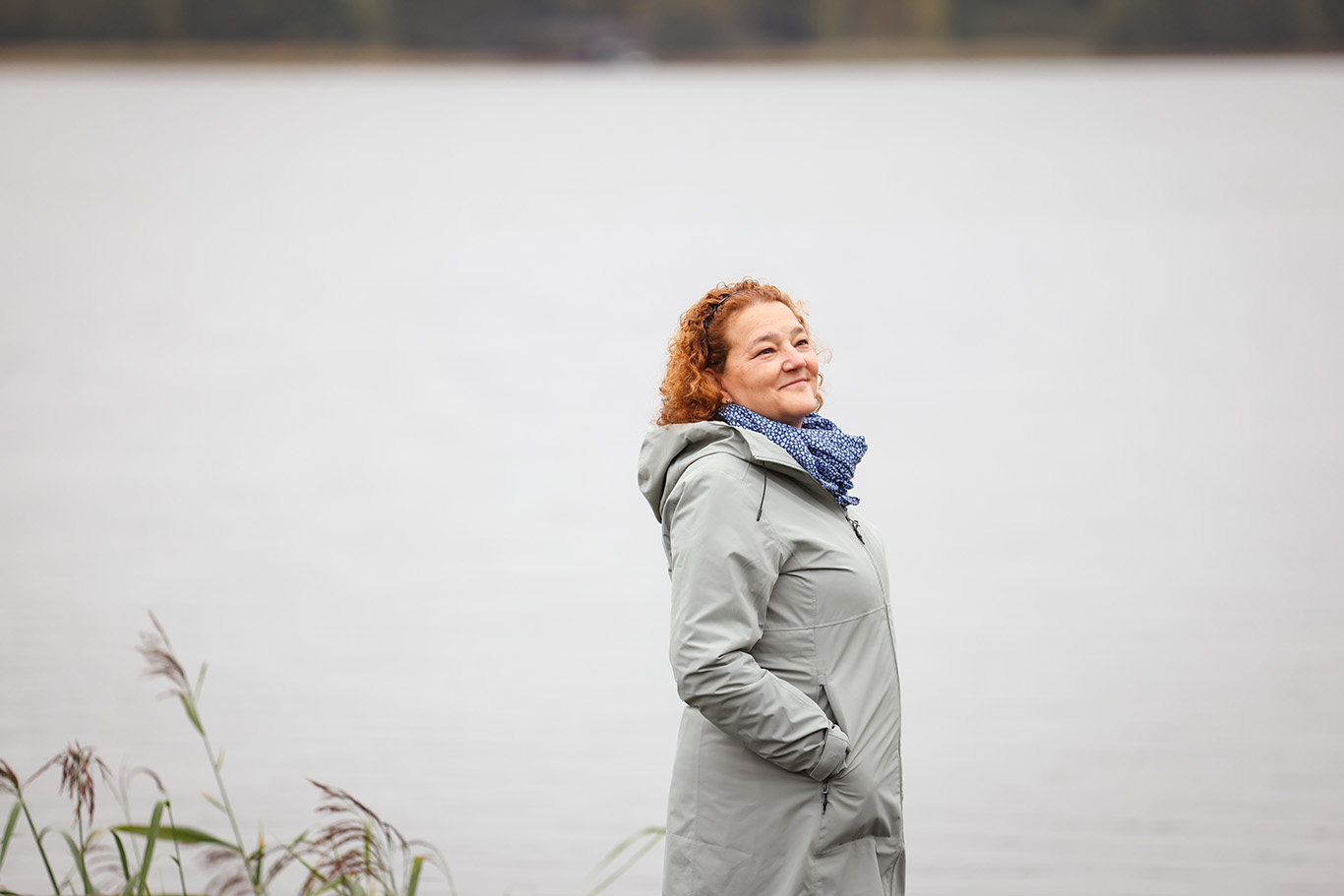
When Tiina Kivelä became seriously ill, her only hope of recovery was a stem cell transplantation.
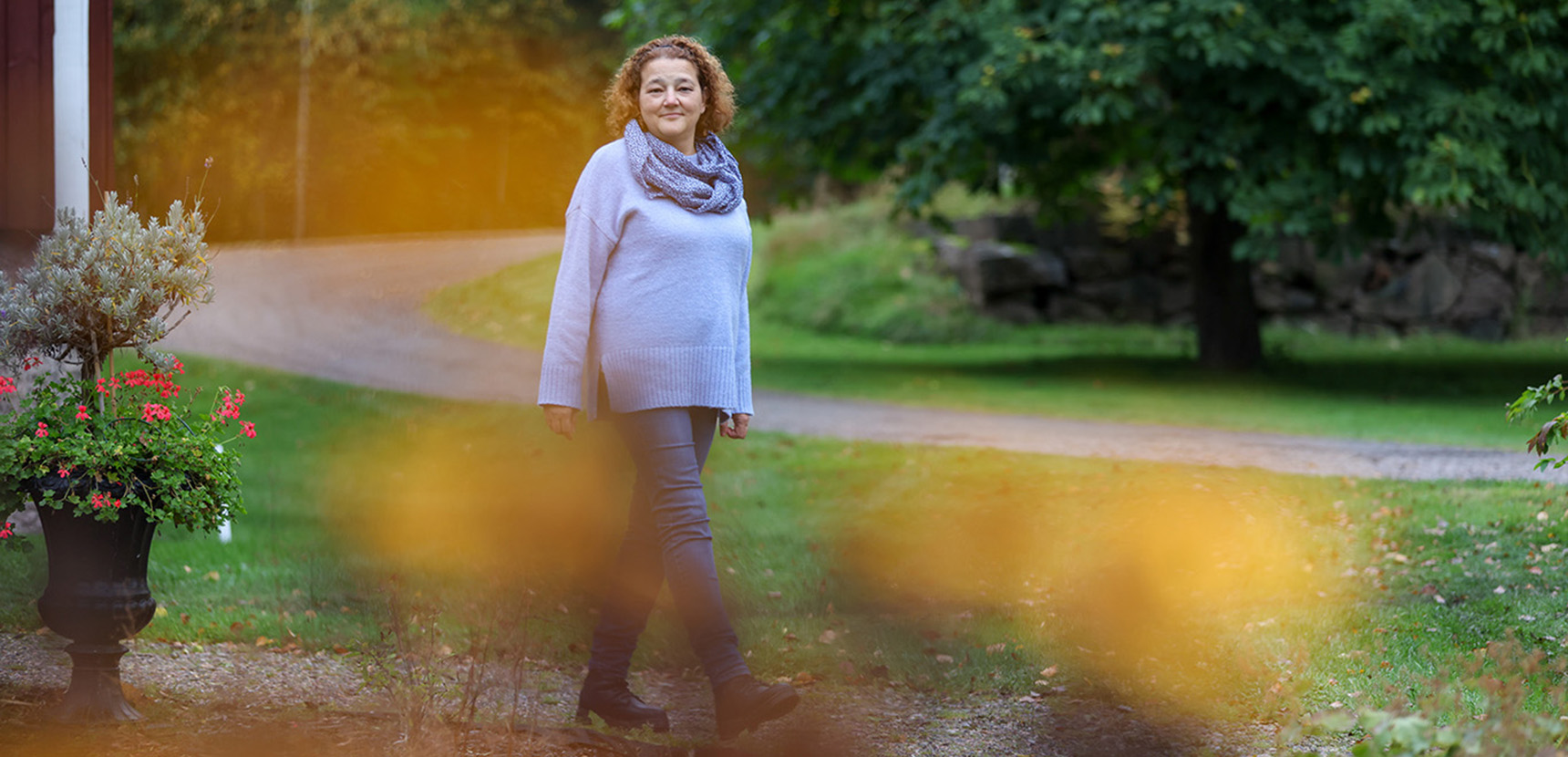
The first sign was fatigue. Somehow, it felt more severe than ordinary tiredness, and rest did not seem to make it go away. At times, however, the fatigue eased, so Tiina Kivelä from Tampere continued her life as before.
One chance
An unknown saviour
No room for error
Back among the healthy
Over the following weeks, the transplanted stem cells engrafted in Kivelä’s bone marrow. The production of new cells gradually began: first healthy white blood cells, then platelets and red blood cells. Kivelä’s blood values began to improve, and she started to feel better. The stem cell transplantation appeared to have been successful.
“I was discharged from hospital after five weeks, which is about the shortest possible time. Of course, I had to carry quite a few bags of medication home from the pharmacy, but at least I could recover at home.”
After leaving hospital, Kivelä continued taking medication to prevent graft-versus-host disease for about another six months and followed strict precautions to avoid infections.
“Because of the high risk of infection, food had to be very thoroughly cooked, and all vacuum-packed products were forbidden. I wasn’t allowed to eat any imported vegetables or fruit at all. For two or three months, I didn’t leave home because I had to avoid picking up any infections,” Kivelä says.
The stem cell treatment had a couple of other consequences that few people would think of. The chemotherapy caused Kivelä to lose her sense of smell and taste. Even her vaccine-induced immunity was wiped out along with her bone marrow.
“I basically went through the same vaccination programme as small children, although in a more intensive adult version, and then I had the COVID-19 vaccinations on top of that. My senses returned after perhaps a month and a half. It was wonderful to be able to taste coffee again!”
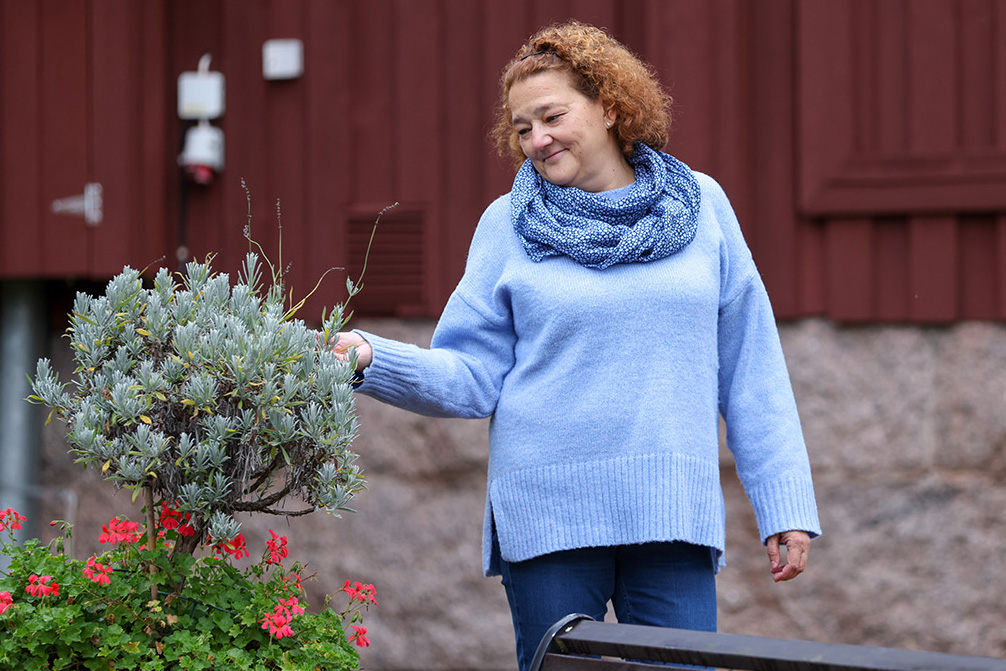
Kivelä estimates that life had more or less returned to normal after about a year. Her condition was, of course, monitored regularly at TAYS, and still is, but her medication had gradually been tapered off and her strength had returned. There were no lasting side effects.
In serious blood diseases such as leukaemia and myelodysplastic syndrome, a patient is generally considered cured if the disease has not recurred within five years after a stem cell transplantation using donor cells. Kivelä reached that milestone last year.
“My most recent check-up was in August, and everything was fine.”
Greetings to Turku
Kivelä has spent most of her career working in the IT sector and in project management. Volunteering is also close to her heart, and she became seriously involved in it about ten years ago.
“Perhaps I inherited it from my grandparents. They were always helping others. For a long time, I volunteered at the residential care home where my grandfather spent his final years. After he passed away, I was looking for something to do in my spare time when I came across an article in Aamulehti about the Voluntary Rescue Service, Vapepa. I decided to give it a try, and it felt like the right thing for me.”
Kivelä currently chairs the Tampere local committee of Vapepa. She is also involved in the activities of the Finnish Red Cross in Tampere.
Her serious illness forced the always energetic Kivelä to stop: the helper became the one who needed help. The experience only reinforced her sense of how important this work is.
“That is why I decided to tell my own story, so that as many people as possible could have the same chance. Once you have received a stem cell transplantation yourself, you understand what an immense gift it is, literally your whole life.”
Kivelä once again sends her thanks to all the professionals at the Stem Cell Registry, to the healthcare staff in both Tampere and Turku, and of course to the unknown young man whose stem cells made it possible for her life to continue.
“We always joke that we people from Tampere don’t have much good to say about people from Turku, but I certainly take my hat off to the staff at TYKS. Incredible professionals who never stopped encouraging me when I was beginning to lose hope. So from now on, if anyone makes fun of people from Turku, I’ll tell them: now, now, people from Turku are good people,” Kivelä laughs.
Text: Kimmo Holopainen
Photos: Leena Koskela
The article has been published in the Red Cross Magazine 4/2026.