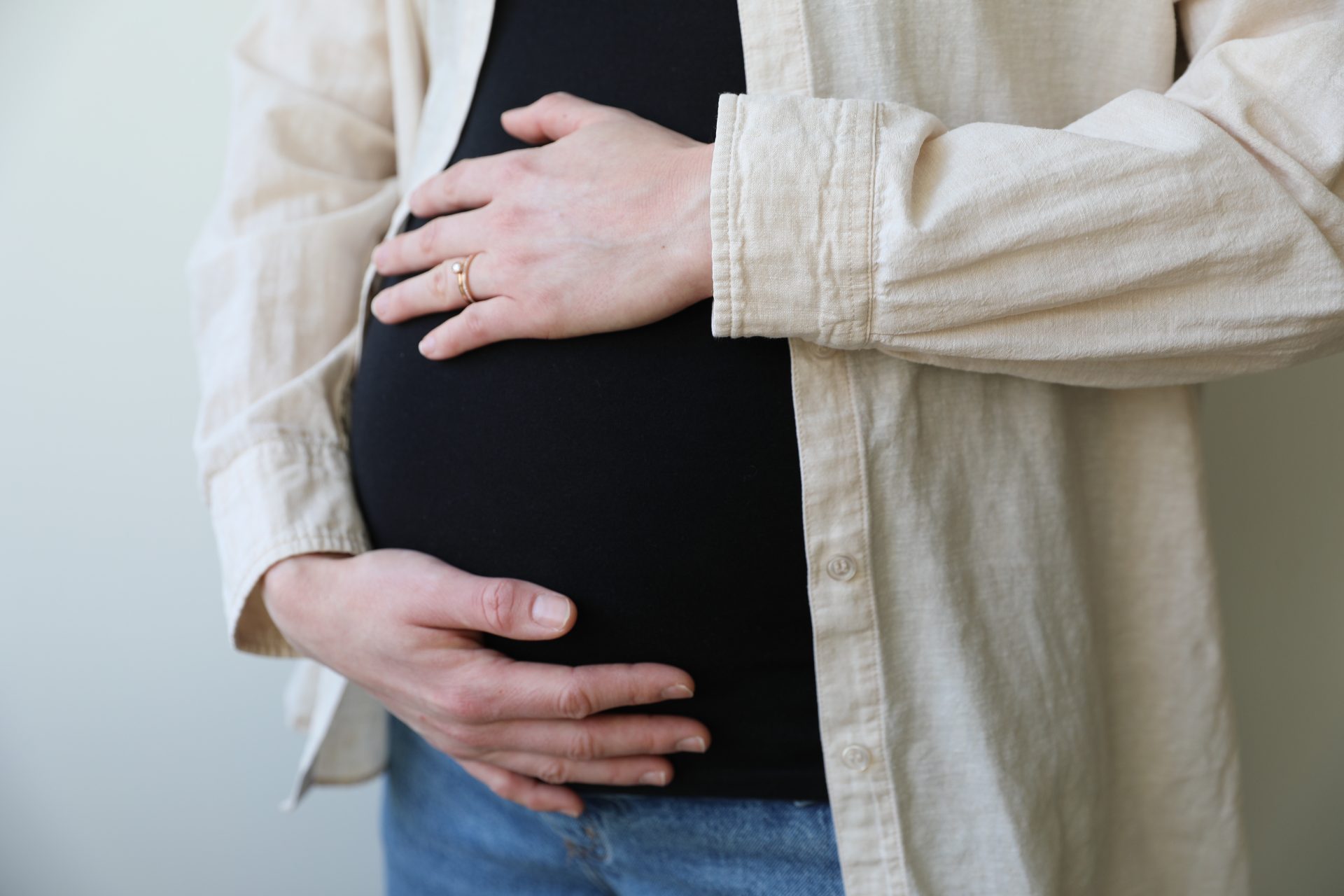
Haemolytic disease is a condition in which antibodies produced by a pregnant woman begin to destroy the fetus’s red blood cells during pregnancy or shortly after birth. If left untreated, haemolytic disease can lead to anaemia, disability, or, in the most severe cases, the death of the fetus or newborn.
“Haemolytic disease of the fetus and newborn is now so rare that the importance of the measures used to prevent it is not always fully understood. Through communication and education, we can help ensure that our screening and prevention programme is implemented effectively, so that no mother becomes immunised due to a lack of information,” says Susanna Sainio, Specialist in Transfusion Medicine at the Finnish Red Cross Blood Service.
Immunisation means that the mother’s immune system starts producing antibodies against the baby’s red blood cells.
Approximately 120 Children Receive Treatment Every Year
Each year, around 120 children require treatment for haemolytic disease of the fetus and newborn. The condition is caused by a blood group incompatibility between the mother and the fetus, which leads the pregnant woman to develop antibodies.
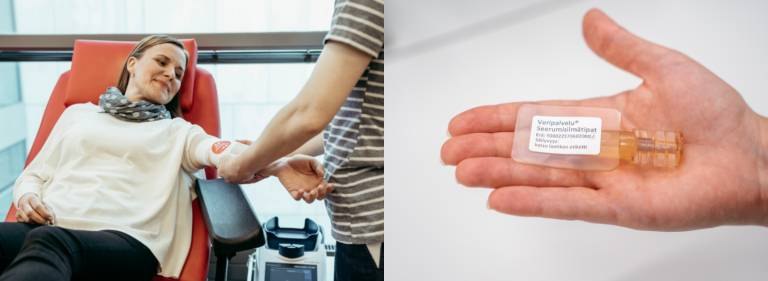
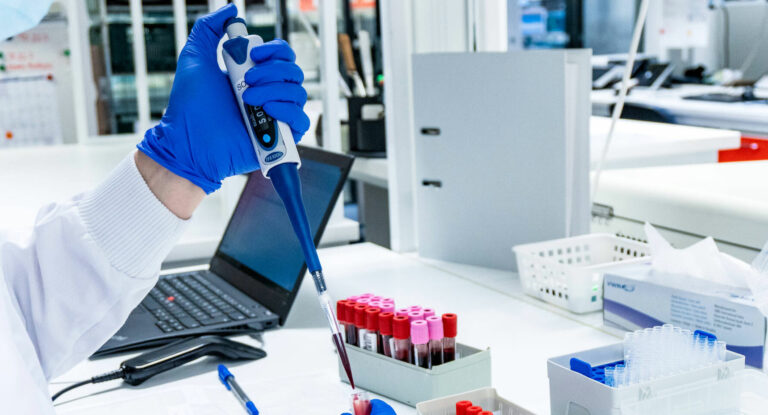
Screening begins in early pregnancy with a blood sample taken at a maternity clinic. The sample is used to determine the mother’s ABO and RhD blood groups and to test for blood group antibodies. The test is performed during every pregnancy, as antibodies may develop as a result of previous pregnancies or blood transfusions. If antibodies are detected, their levels are monitored throughout pregnancy to assess potential risks to the fetus.
Enhanced Monitoring for Some Pregnant Women
Approximately 12% of pregnant women are RhD-negative, and they require enhanced monitoring because they have an increased risk of developing antibodies. Anti-D antibodies are the most common cause of severe haemolytic disease of the fetus and newborn.
Preventive anti-D treatment given to RhD-negative mothers during pregnancy and after childbirth prevents more than 95% of cases in which the mother’s immune system would otherwise produce antibodies against the baby’s blood cells. A blood test can determine during pregnancy whether anti-D prophylaxis is needed. Treatment is provided only when necessary, reducing unnecessary prophylactic treatments in nearly 40% of expectant mothers.
A Nationwide Single-Laboratory Model
The centralised laboratory services provided by the Finnish Red Cross Blood Service ensure consistent testing practices throughout the country. As a result, test results remain available for future pregnancies regardless of where the mother lives. Blood Service experts also provide maternity hospitals with guidance on postnatal anti-D prophylaxis, ensuring timely treatment across Finland.
This nationwide screening programme, carried out through a single laboratory, is an exceptionally comprehensive model by international standards. It enables systematic, consistent and effective monitoring and prevention of blood group immunisation in Finland, helping to safeguard every child born in the country.