Nordic cooperation needed on blood supply in the High North
The organisations responsible for the blood supply in Finland, Norway and Sweden are planning to collaborate to support emergency medical care in their northernmost regions. The aim is to improve the availability of emergency blood transfusions in an area characterised by long distances and difficult weather conditions. The cooperation project will meet in Rovaniemi, Finland from 30 September to 1 October 2026.
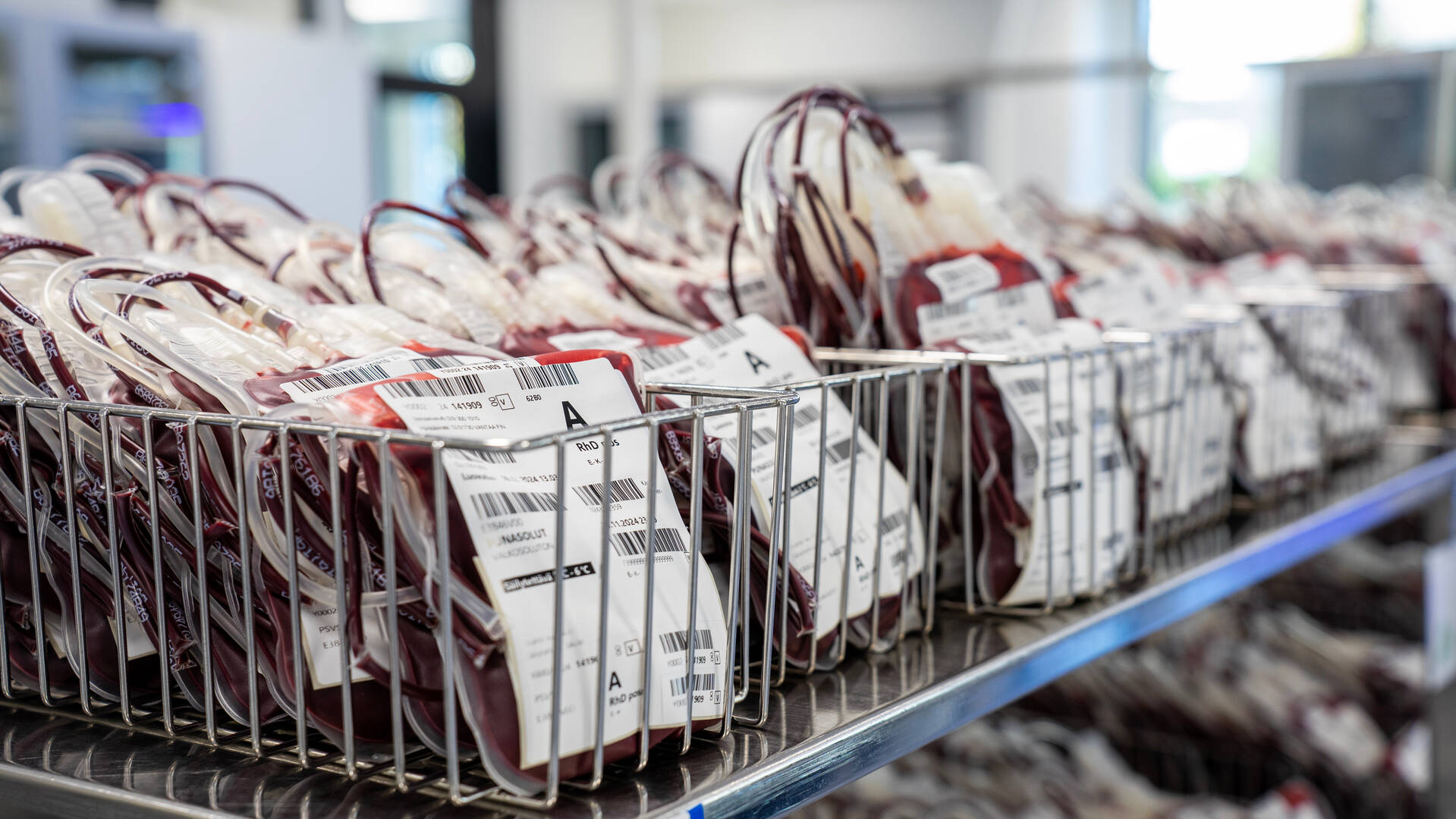
The northernmost regions of Norway, Sweden, and Finland have long enjoyed good cooperation in demanding emergency care situations, but the blood supply has so far not been included in this cooperation. The long distances and difficult transport conditions in the northern region can make it hard to secure blood product availability to patients in emergencies.
In Norway, weather conditions can sometimes completely prevent both road and air transport. In Finland and Sweden, there can also be situations when helicopters cannot operate, and road transport is too slow.
“While each country must be able to ensure the availability of blood products throughout its territory, we must also build more flexible cooperation between countries. It’s a matter of preparing for the worst”, says Torunn Oveland Apelseth, Director of the Norwegian Center for Blood Preparedness and Project Director for the Nordic Blood Preparedness Project.
Blood supply must also be prepared for sudden changes in blood demand and for exceptional circumstances. The worst-case scenarios include major accidents, serious disruptions to the availability and transport of blood products, and various crisis situations, such as armed conflicts.
Nordic cooperation is important for this reason too.
Different countries have different systems for the blood supply
Norway, Sweden, and Finland have all implemented their national blood supply in different ways. Norway and Sweden have a decentralized systems for collection and production of blood products, which are managed by hospital-based blood services. Finland, on the other hand, has a national system run by the Finnish Red Cross, in which blood is collected in different parts of the country, but the production and distribution of products is centralized.
“In this project, we are getting to know each other’s systems. The aim is that, where necessary, we will be able to help one another to act in the best interests of the patient”, says Jarkko Ihalainen, Medical Director at the Finnish Red Cross Blood Service.
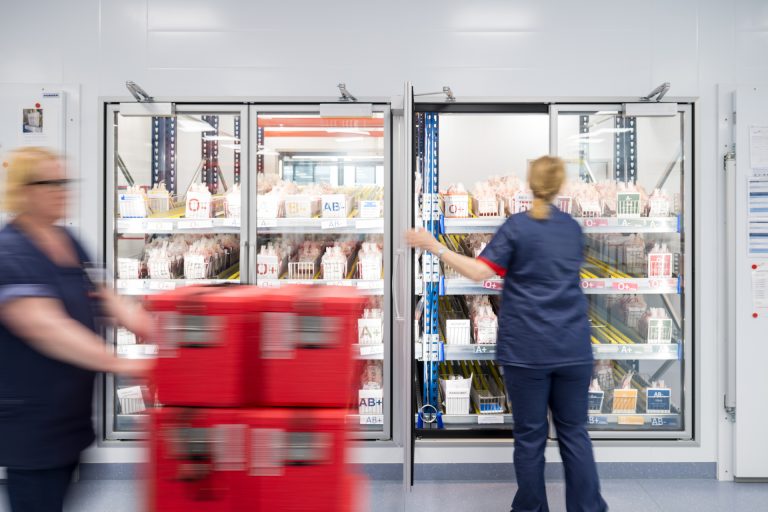
Blood products have short shelf-lives, which make long term stockpiling impossible. In the project, each country assesses its current blood supply capacity, such as its blood product stocks, transport arrangements, and operating models in the northern region. Based on this, opportunities for cooperation are planned.
Cross-border blood supply requires regulatory changes
Blood supply is a highly regulated activity, and sharing blood across the borders is not straightforward without careful preparation. For example, the labeling of the product must be clear for the users.
Nordic cooperation on the use of blood products requires close dialogue with the authorities to ensure that statutory requirements are taken into account. At the same time, care must be taken to ensure that regulations do not prevent lives from being saved simply because they are too rigid, says Torunn Oveland Apelseth.
Cooperation with the authorities and the identification of potential regulatory barriers are key objectives of the project. This must be done in each country, as there are minor differences in regulation. Regulation at EU level has just changed with the introduction of the new SoHo Regulation (Substances of Human Origin). In Finland and Sweden, national legislation is being amended accordingly.
The areas covered by the collaboration include Finnish Lapland, Swedish Norrbotten and Norway. From Finland, the project involves the Lapland Welfare Region, NordLab – which provides laboratory services to welfare regions in Northern Finland – and the Finnish Red Cross Blood Service.