Doctoral dissertation: Blood Donation Is a Good Way to Help and Support Research
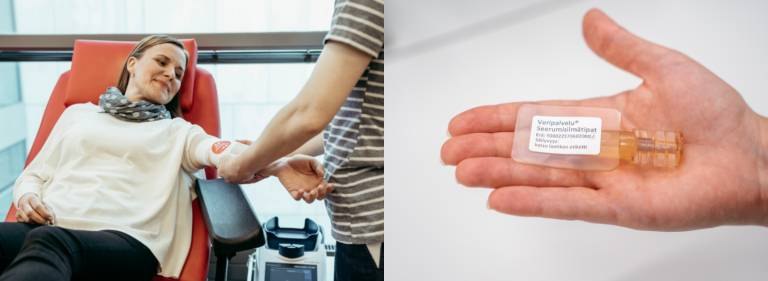
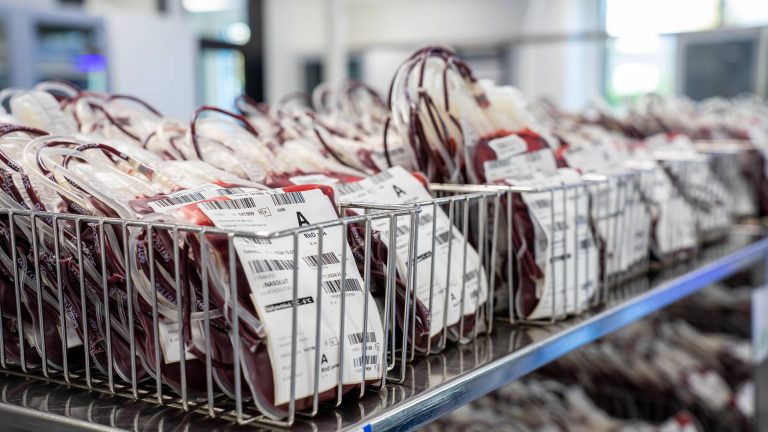
In her sociology doctoral dissertation, to be examined on November 7, Master of Social Sciences Vera Raivola explored blood donors’ views on blood donation and participation in biobank research. Most donors see blood donation as a concrete and meaningful way to help patients. They are also willing to provide a sample for biobank research when it is done in connection with blood donation.
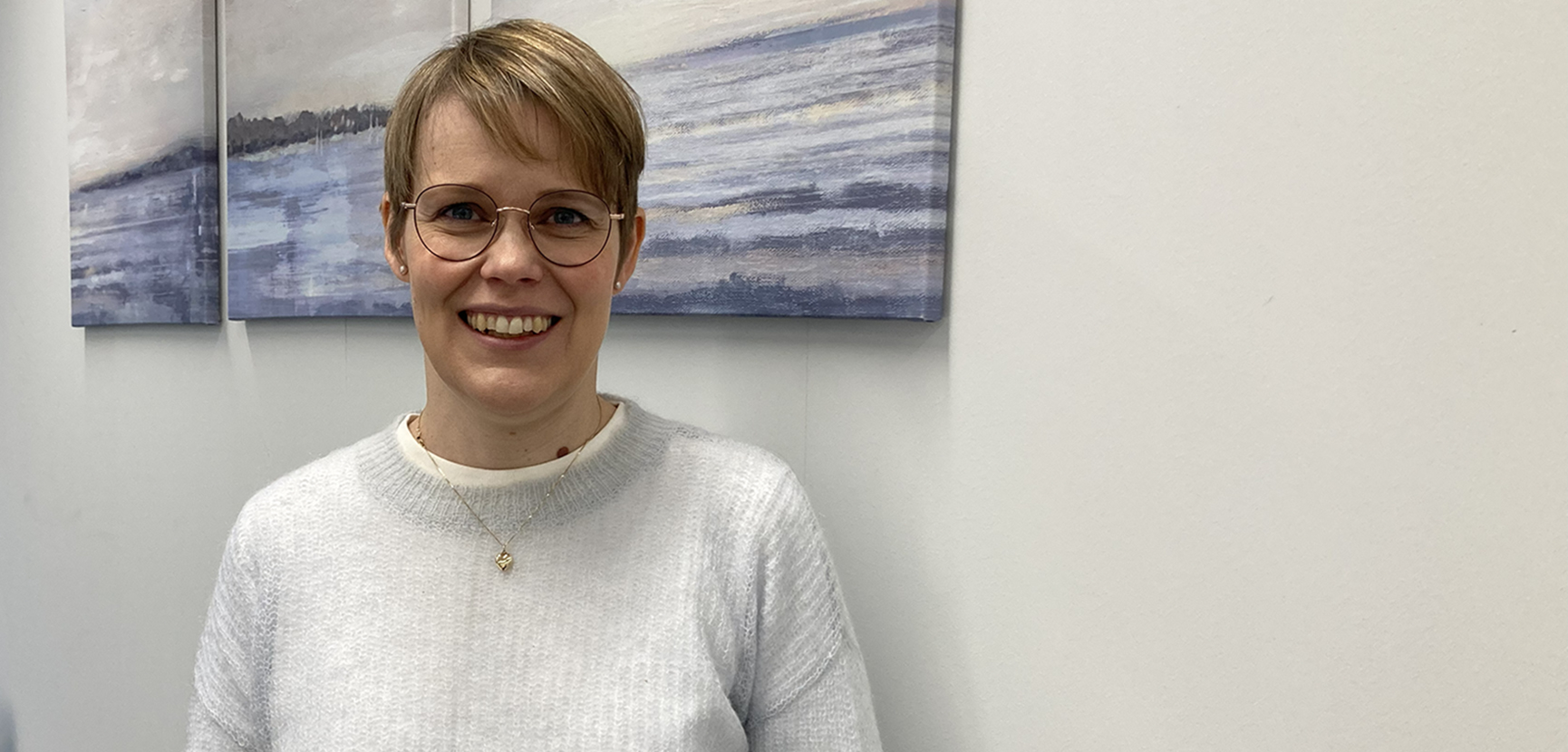
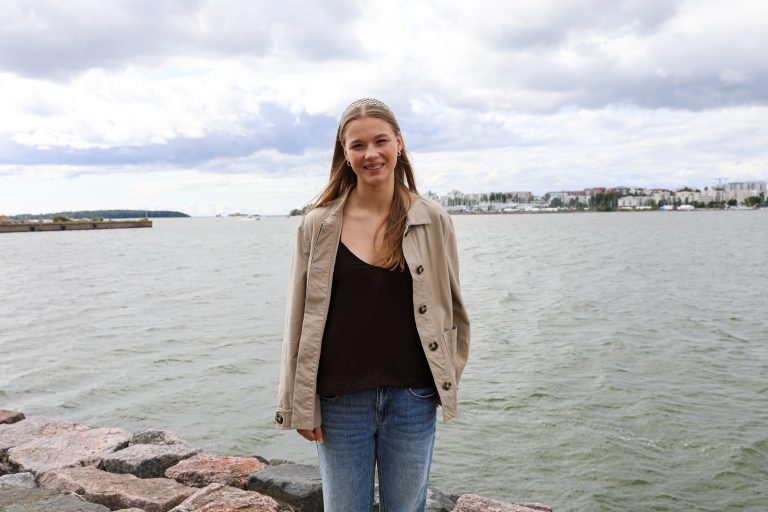
Vera Raivola interviewed over 60 blood donors across Finland for her study. The dissertation is the first in sociology from the Finnish Blood Service and expands its research activities toward a multidisciplinary direction.
A key finding of the study is that a significant majority of interviewees were willing to both donate blood and participate in research, for example by giving biobank samples and responding to surveys. Enabling research is considered important, even though it feels less tangible than direct help to patients. Participation in biobank research is seen as a new way to help, complementing the familiar act of blood donation.
“Many blood donors were interested in learning more about the benefits of the research they are participating in,” says Vera Raivola.
Trust Is a Key Factor
In the interviews, blood donation was frequently mentioned as a good way to help. Many donors also said they aim to make blood donation a routine.
Trust in the Finnish Blood Service and the Finnish welfare society positively influences the willingness to provide samples for scientific research, such as the Blood Service’s biobank.
Although biobank participation is of interest, it also raises uncertainty and questions, for example about how the data will be used in the future.
“Blood donors want clear information and transparency about biobank operations. This has been implemented by sharing information about biobank research on the Blood Service’s website and at donation points,” Raivola notes.
“Donors’ thoughts on research activities provide the Blood Service with an important perspective on research and biobank operations,” Raivola analyzes.
“Now that the Blood Service’s biobank has been operating for eight years, it would be interesting to know what blood donors think about this collaboration and, on the other hand, how global changes such as COVID-19, the war in Ukraine, or the development of artificial intelligence have affected blood donation routines and trust,” Vera Raivola reflects.
Vera Raivola’s sociology dissertation “It is a good habit – A sociological study on donor views on voluntary blood donation for patients, research and biobank” will be examined on November 7 at 1 PM at the University of Eastern Finland, Faculty of Social Sciences and Business Studies. The opponent will be Docent, University Lecturer Riikka Homanen from the University of Lapland, and the custos will be Professor Ilpo Helén from the University of Eastern Finland.
The event can be followed online: https://www.uef.fi/fi/tapahtuma/vaitos-ytm-vera-raivola-sosiologia-joensuu