Doctoral Dissertation: Whole Blood as a Promising Option in Prehospital Care for Bleeding Patients
Sanna Susila’s doctoral research shows that whole blood products can be an effective alternative in prehospital care for patients with severe bleeding.
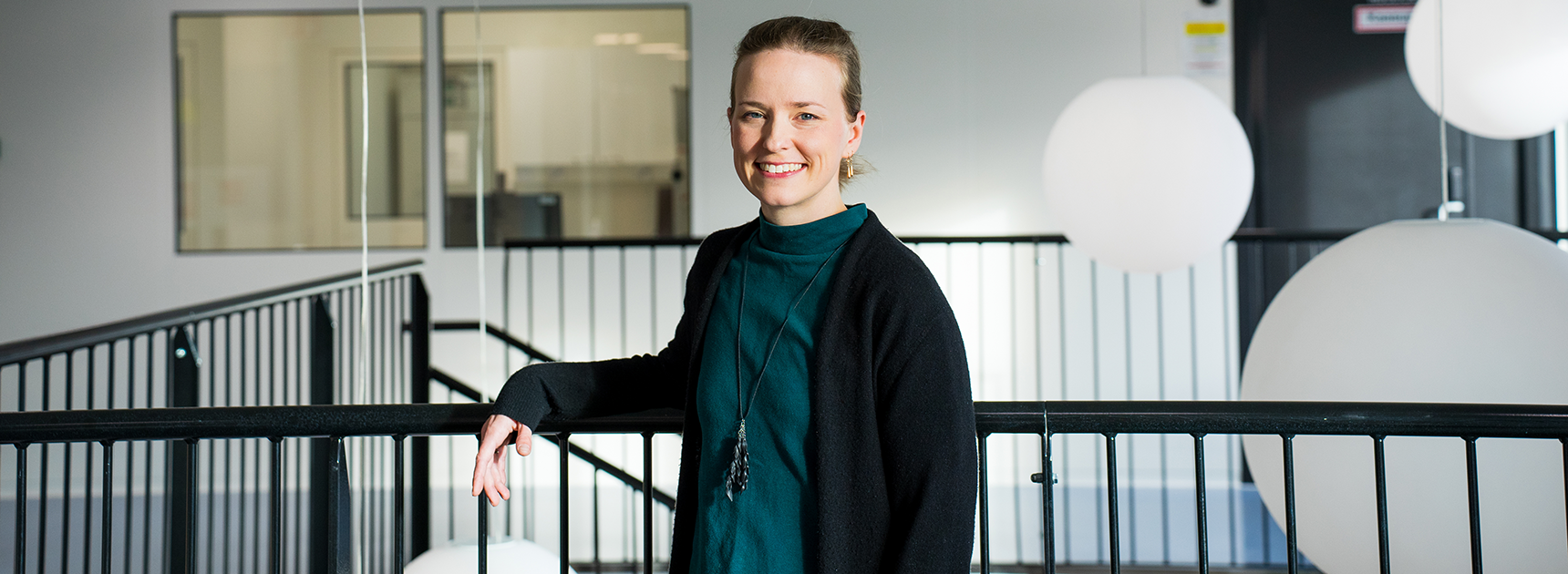
Sanna Susila’s doctoral dissertation shows that whole blood can serve as an effective alternative in prehospital care for patients with severe bleeding.
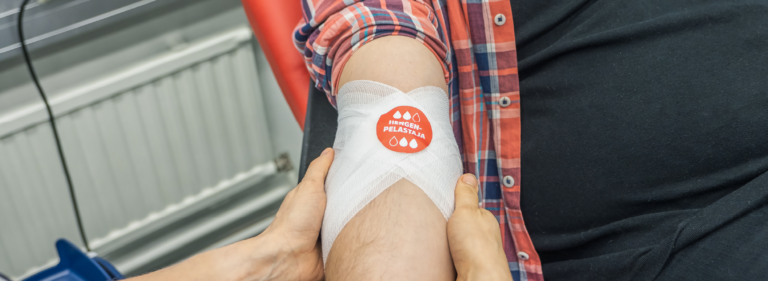
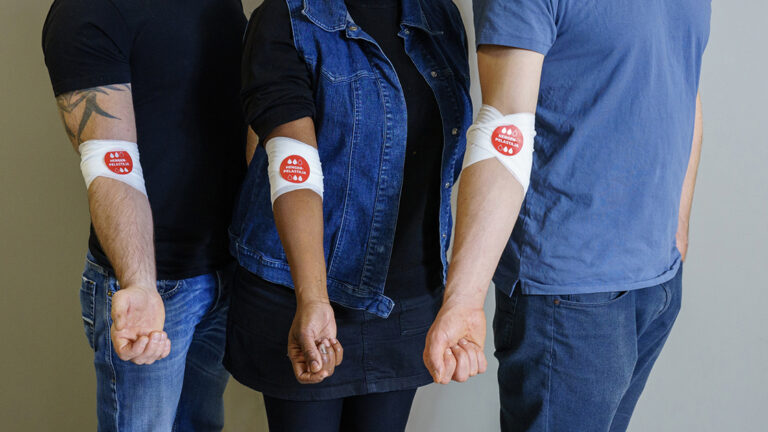
The study was conducted in collaboration with the University of Helsinki, HUS and the Finnish Red Cross Blood Service, and forms part of a broader research project on the use of whole blood in emergency medicine. Volunteer blood donors were recruited for the study.
Whole blood particularly needed outside hospital settings
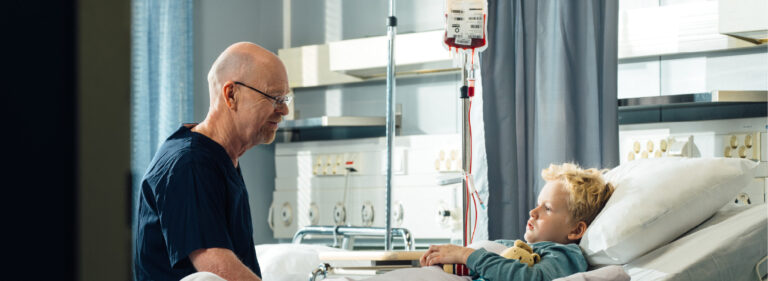
Blood from a donor is usually not administered as whole blood; instead, it is separated into components—red blood cells, platelets and plasma. Patients then receive the component they need at a given time, which makes transfusion treatment safer.
In a whole blood product, the blood is not separated, and all components are included in the same bag. The use of whole blood has long been limited, but in recent years interest has re-emerged, especially in prehospital care where speed and simplified logistics are crucial.
In hospitals, patients typically have access to all blood components, but outside hospitals emergency units usually provide only red blood cells and dried plasma.
– The whole blood units we studied also contain platelets, which are essential for blood clotting and can be critical in life-threatening situations, says doctoral researcher Sanna Susila.
Promising findings on storage stability
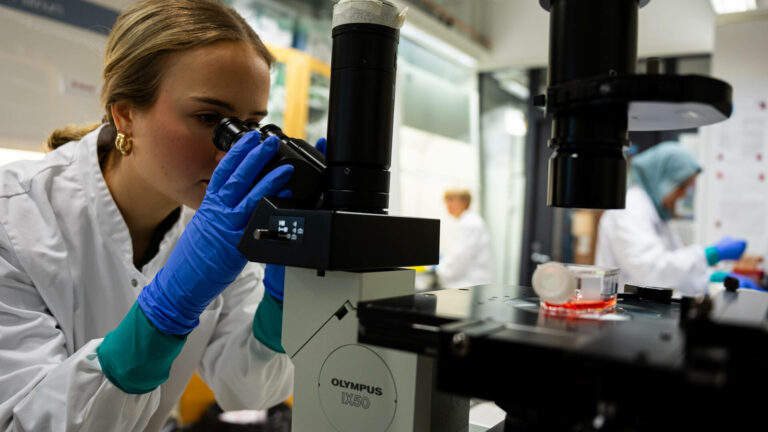
The study showed that whole blood remains stable better than previously expected. It can be stored at room temperature for up to five days without loss of clotting function or bacterial growth.
These findings encourage further research into extended room-temperature storage, which could facilitate use under exceptional circumstances where cold storage is difficult to arrange.
– More research is needed on how platelets remain viable under different conditions and how long whole blood can be used safely, Susila notes.
Sanna Susila, LL will defend the doctoral dissertation entitled “Hemostatic properties of whole blood – A series of in vitro studies” in the Faculty of Medicine, University of Helsinki, on 5 December 2025 at 12:00. The public examination will take place at the following address: Päärakennus, Karolina Eskelin -sali, Unioninkatu 34.
professori Agneta Wikman, Karolinska Institutet, will serve as the opponent, and Klaus Olkkola as the custos.
Livestream: https://tapahtumat.helsinki.fi/en-FI/page/6915151afafad1b3a6bb3324
Doctoral dissertation is published in Helsinki University open repository.