Genomic data from the Blood Service Biobank helped identify donors with rare blood groups
In a study conducted by the Blood Service, genomic data from nearly 60,000 blood donors were screened to identify rare blood groups. The study identified new donors with rare blood groups, helping to ensure the availability of suitable blood products for patients who need them.
In addition to the ABO and RhD blood groups, hundreds of other blood group factors are known. Some are very rare, occurring in fewer than one in a thousand people. The prevalence of blood groups varies between populations, and rare blood group factors also occur in the Finnish population. Identifying donors with rare blood groups is important so that, when necessary, patients can receive blood that matches their blood group as closely as possible.
The study Identification of rare blood group donors from biobank data used genomic data from the Blood Service Biobank to identify donors with rare blood groups. The study is part of the doctoral research of Inna Sareneva, a laboratory expert at the Blood Service.
To the best of current knowledge, biobank genomic data have not previously been used in this way to identify donors with rare blood groups. The method provides a new way to identify donors who can play an important role in patient care.
Genomic data speed up the identification of rare blood groups
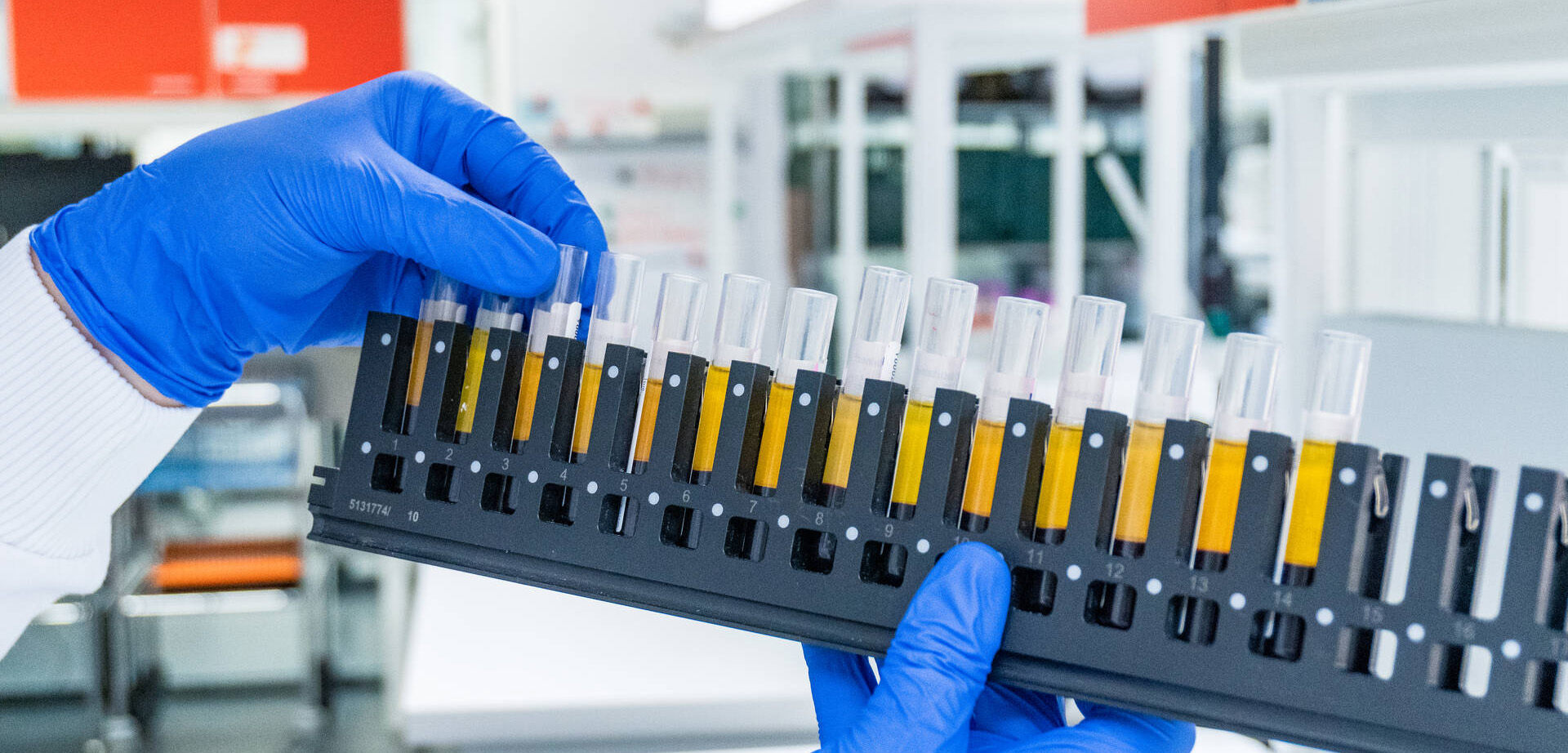
Finding donors with rare blood groups using traditional methods is slow and labour-intensive. The Blood Service Biobank contains genomic data from nearly 60,000 blood donors, and the study used these data to search for genomic factors associated with rare blood groups. Potential donors were asked to provide separate consent to participate in the study and to have their rare blood group confirmed from a blood sample.
The method identified nearly one hundred new donors with rare blood groups, including Vel−, Kpb−, Lub− and Jk:-3. The donors were also informed of their rare blood group.
Identifying a rare blood group benefits both the patient and the donor
The more donors with rare blood groups are known, the better the chances of finding suitable blood products for patients. Red blood cell products from rare blood groups can also be frozen and stored for future use.
“Knowing that you have a rare blood group can also benefit the donor if they ever need a blood transfusion themselves. At the same time, the blood they donate may be invaluable to a patient with the same rare blood group,” says Inna Sareneva, laboratory expert at the Blood Service.
The study was carried out in collaboration between experts from the Blood Service, the Blood Service Biobank and HUS. The next phase will focus on screening combinations of blood groups. The aim is to identify donors who match patients’ needs even more closely and to improve the availability of suitable blood products. The doctoral dissertation is expected to be completed in 2028.
Read more: Identification of rare blood group donors from biobank data