Blood donors received information for the first time about their hereditary disease risk from the Blood Service Biobank
For the first time, the Finnish Red Cross Blood Service Biobank returned information to blood donors about the risk of developing haemochromatosis.
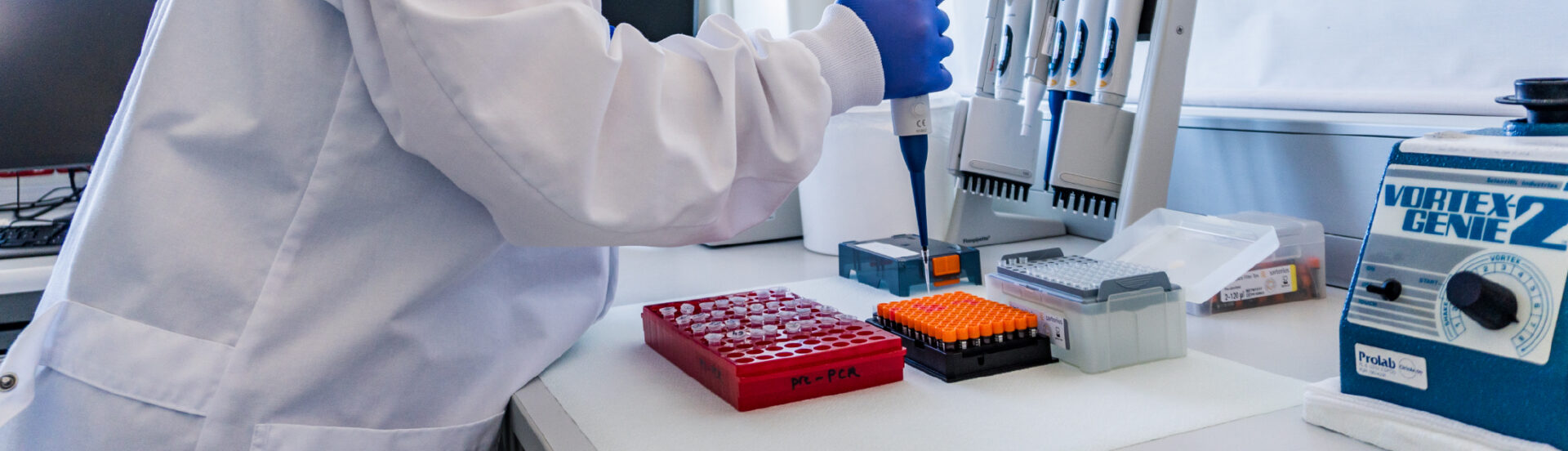
Haemochromatosis is an inherited disorder that causes excessive iron accumulation in the body. If left untreated, it can lead to various symptoms such as fatigue or joint pain, and in severe cases, organ damage. Treatment involves reducing iron levels by removing blood and avoiding excess iron intake. A person with haemochromatosis can donate blood if no organ damage caused by iron overload has been detected.
Positive attitude towards receiving genetic information
The Blood Service Biobank screened the genomic data of 43,868 biobank donors for the genotype associated with haemochromatosis risk (HFE C282Y (+/+)). Clinically confirmed genetic risk information was returned to 82 biobank donors, representing 0.2% of all screened samples. Only 13% of these individuals were previously aware of their predisposition to haemochromatosis. The biobank contacted these individuals and recommended closer health monitoring in healthcare.
A subsequent survey examined how individuals with a hereditary risk factor perceived the information they received.
All participants in the follow-up study agreed at least partly that genomic data in biobanks should be used more broadly to promote health. All respondents also expressed a desire to receive similar information in the future if available.
Based on the follow-up study, many of those who received risk information (36.8%) reported being diagnosed with haemochromatosis after a more detailed health assessment. Most participants felt that the information motivated them to take better care of their health.
The Blood Service will also apply the study results in its own operations. In future blood donations, additional iron will no longer be offered to donors with a confirmed hereditary predisposition to haemochromatosis.
National ethical discussion and guidelines needed
Biobank samples are typically used in medical research, such as diagnostics and drug development. The study demonstrated that genetic data in biobanks can also benefit donors themselves in certain well-defined contexts.
Biobank donors are always asked for consent to receive health-related information. Over 99% of donors to the Blood Service Biobank have given this consent.
“Maintaining the trust of biobank participants is extremely important. Therefore, transparent, well-justified, and consent-based practices should be a prerequisite for returning genetic information from biobanks, along with adequate care and counseling procedures,” says Jonna Clancy, Senior Specialist at the Blood Service Biobank and Sample Services.
“Pilot projects help raise awareness of genomic data, which is also one of the goals of Finland’s national genome strategy. In this project, the focus was on a small group and a disease that is not immediately life-threatening. Further research is needed to understand the potential role of biobanks in personalized healthcare in the future,” Clancy adds.
The project was partly funded by Sitra. The study results have been published in BMC Medical Genomics: Biobank participants’ perspectives on receiving genetic risk information from a biobank – the case of haemochromatosis | BMC Medical Genomics
Key findings:
- 86.6% of donors were unaware of their risk beforehand
- A relatively large proportion of respondents (36.8%) reported receiving a haemochromatosis diagnosis in healthcare
- Blood donors strongly supported the use of genomic data in biobanks for healthcare purposes
- Additional iron will no longer be offered during blood donations to biobank donors with a confirmed hereditary predisposition to haemochromatosis
The survey was sent to 62 blood donors, of whom 56 were previously unaware of their risk. Of these 56, 38 donors responded (response rate 68%).
Further information:
jonna.clancy@veripalvelu.fi